
Ever wondered why some puppies become well-behaved pets while others don’t? Whether it’s your first puppy or you’re adding to your family, knowing puppy training basics is key. This guide will help you learn the essential skills for a loving and obedient bond with your new pet.
It covers the importance of early training, the best methods, and the right supplies. Jump into Puppy Training 101 and learn how to make those cute, energetic puppies into great family members.
Key Takeaways
- Early training is essential for a well-adjusted puppy.
- Equipping yourself with the right supplies can ease the training process.
- Socialization plays a critical role in your puppy’s development.
- Positive reinforcement is a highly effective training technique.
- Understanding and managing common behavior challenges is key to success.
Recommendation:
K9 Training Institute

Transform your dog today! Join our comprehensive training program to unlock a world of better behavior, deeper bonds and watch your dog's potential unfold!
Frequently Asked Questions

When Should I Start Training My Puppy?
Start training your puppy at 7 to 8 weeks old. This early start, helps them learn good habits and social skills right away.
What Supplies Do I Need For Puppy Training?
You’ll need toys, a bed, healthy treats, and a leash and collar. These items are important for training your puppy effectively.
How Do I House Train My Puppy?
Start with a routine and take your puppy outside often. Crate training can also help prevent accidents and teach bladder control.
What Are Some Socialization Tips For My Puppy?
Socializing your puppy is crucial. Start by slowly introducing them to new things and people in a safe way. This helps them grow into a well-adjusted dog.
What Are Some Effective Puppy Training Techniques?
Use positive reinforcement like treats or praise for good behavior. Teach basic commands like sit, stay, and come to help with obedience.
How Can I Address Chewing And Biting Behavior?
Redirect chewing to toys and to stop them from biting, yelp (squeal) or ignore them. Give them lots of chew toys to keep them busy.
What Should I Do If My Puppy Has Separation Anxiety?
Help your puppy get used to being alone by starting with short times apart. Increase the time slowly and give them a favorite toy or blanket for comfort.
What Are The Basics of Puppy Care For Beginners?
Make sure your puppy eats well, gets regular vet check-ups, and follows a daily routine. This includes feeding, exercise, and playtime. These basics keep your puppy healthy and happy.
Recommendation:
K9 Training Institute

Transform your dog today! Join our comprehensive training program to unlock a world of better behavior, deeper bonds and watch your dog's potential unfold!
Introduction to Puppy Training 101
Starting your puppy with the right training is key to a happy life together. It’s important to know why training is crucial and when to begin. This knowledge makes training easier and more successful.
Why Training Your Puppy is Important
Training your puppy early is key to good behavior and avoiding problems later, says the American Kennel Club. It helps create good habits and strengthens your bond with your pet. Training can fix issues like chewing, barking, or jumping, making life better for you and your puppy.
When to Start Training
According to PetMD, start training your puppy at 7 to 8 weeks old. This is the best time to learn and set up good habits. Puppies at this age are open to new things, perfect for learning basic commands and house training.
Recommendation:
K9 Training Institute

Transform your dog today! Join our comprehensive training program to unlock a world of better behavior, deeper bonds and watch your dog's potential unfold!
Essential Puppy Training Supplies
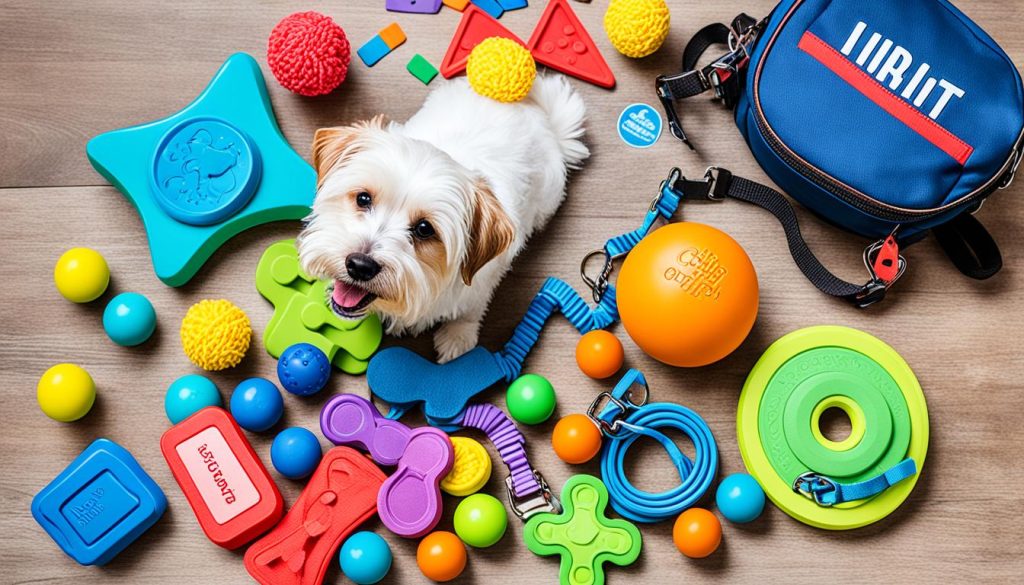
Getting your home ready with the right puppy training supplies is key to successful training. Every item, from the basics to special gear, helps your puppy feel at ease and ready to learn.
Basic Puppy Gear
Cesar Millan, a well-known trainer, says it’s vital to get puppy gear essentials that fit your puppy’s size and needs. Here are some must-haves:
- Appropriate-sized chew toys
- Comfortable and washable dog bed
- Water and food bowls that are easy to clean
- Puppy pads for initial potty training
Training Treats and Rewards
Using the best puppy treats makes training easier. DogTime.com suggests healthy, bite-sized treats as rewards for good behavior. Always pick treats made for puppies to avoid diet problems.
- Natural and low-calorie training treats
- Freeze-dried meats for a special reward
- Training pouches to keep treats handy
Choosing the Right Leash and Collar
The Humane Society says picking the right leash and collar is key for training and safety. Here are some tips for choosing these important puppy gear essentials:
- Make sure the collar fits well but not too tight; you should be able to slip two fingers underneath.
- Choose a leash that matches your puppy’s size—usually, a 4 to 6-foot leash is best for training.
- Think about a harness for extra control, especially for lively puppies.
Recommendation:
K9 Training Institute

Transform your dog today! Join our comprehensive training program to unlock a world of better behavior, deeper bonds and watch your dog's potential unfold!
House Training a Puppy
House training a puppy can seem tough, but it’s easier with the right methods. We’ll look at some great potty training tips and crate training benefits. These can protect your home and make your puppy more comfortable.
Puppy Potty Training Tips
Potty training is key to house training a puppy. Here are some tips to make it easier:
- Consistency: Set a regular bathroom schedule. Take your puppy out often, after meals or naps.
- Designated Spot: Pick a specific spot for bathroom breaks. Puppies like routine and know their bathroom spots.
- Positive Reinforcement: Praise and reward your puppy right after they go to the bathroom outside. This helps them learn faster.
- Supervision: Always watch your puppy inside. You can stop accidents by noticing when they need to go, like when they circle or sniff.
Crate Training for Housebreaking
Crate training is a great way to housebreak your puppy. Vets at VCA Hospitals say it helps prevent accidents and aids in house training. Here are some crate training benefits:
- Safe Space: A crate gives your puppy a safe, cozy spot to relax.
- Prevents Accidents: Dogs don’t like to soil their sleeping area, so a crate cuts down on accidents.
- Routine Establishment: Crates help set a daily routine, which is key for potty training.
- Travel Convenience: Crate-trained puppies are easier to take places and stay calm when traveling.
Recommendation:
K9 Training Institute

Transform your dog today! Join our comprehensive training program to unlock a world of better behavior, deeper bonds and watch your dog's potential unfold!
Puppy Socialization Tips
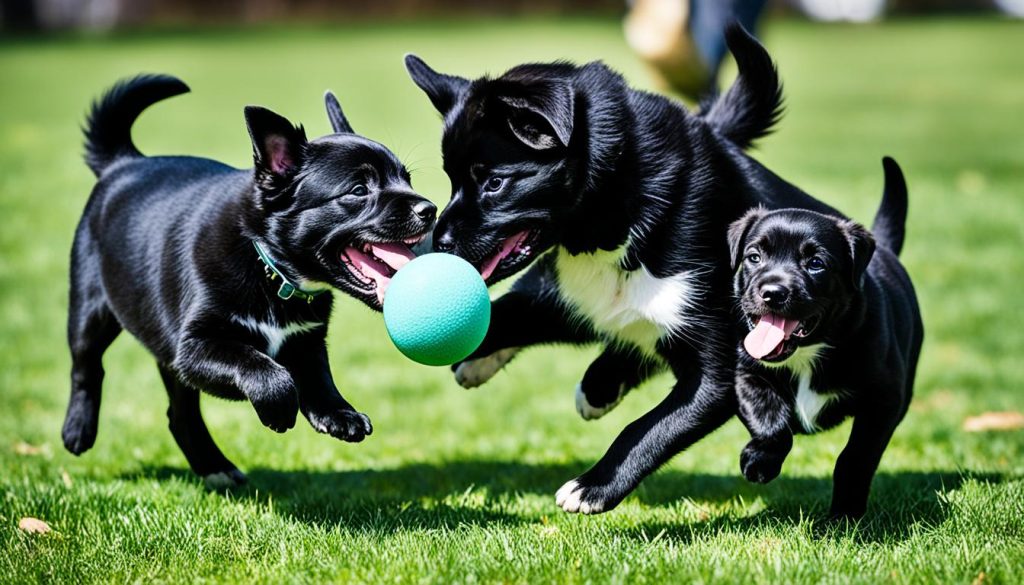
Getting your puppy well-socialized is key to raising a confident and well-adjusted dog. It’s important for them to have positive experiences with different things. This will greatly affect their behavior as adults. Here are some tips and reasons why socialization is so important during this time.
Introducing Your Puppy to New Experiences
The early days of your puppy’s life are perfect for introducing them to new things. Here are some tips to help them have positive experiences:
- Start with gentle exposure to different sounds, sights, and environments.
- Gradually introduce them to various people, including children and adults.
- Allow supervised interactions with other vaccinated and friendly dogs.
- Use treats and positive reinforcement when your puppy shows calm behavior.
By following these steps, your puppy will stay calm and open to new things.
The Importance of Socialization for Puppies
It’s vital to understand how important socialization is for puppies. The ASPCA says well-socialized puppies become adult dogs that handle different situations easily. Dr. Sophia Yin, a well-known pet expert, says positive early experiences can greatly lower the chance of anxiety and aggressive behaviors later.
Adding regular socialization to your puppy’s life early on will help them be more secure and sociable. This leads to a rewarding friendship with your furry companion.
Recommendation:
K9 Training Institute

Transform your dog today! Join our comprehensive training program to unlock a world of better behavior, deeper bonds and watch your dog's potential unfold!
Puppy Training Techniques
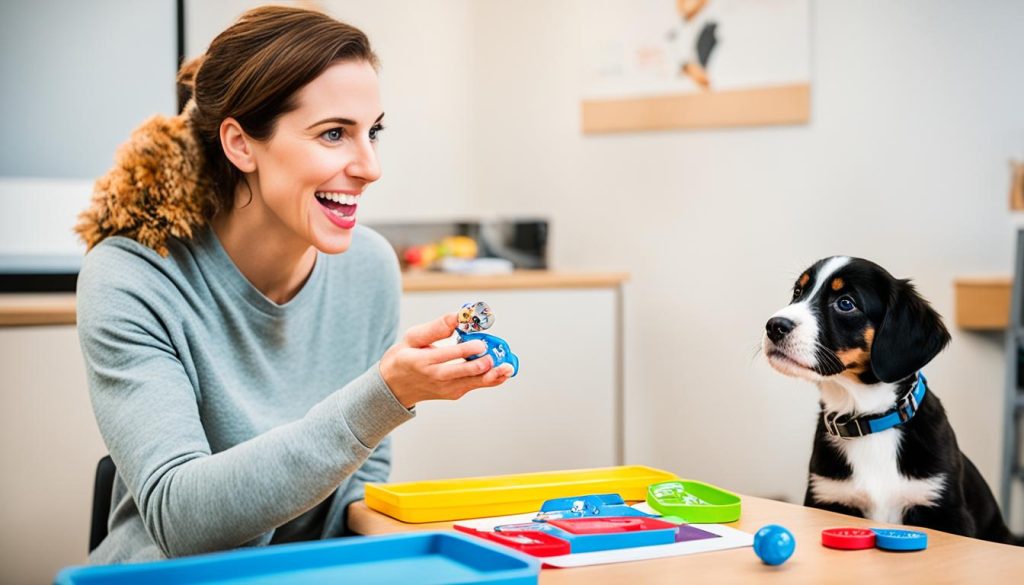
Training your puppy makes their behavior better and strengthens your bond with them. We’ll look into effective puppy training methods. These include positive reinforcement and basic commands important for your puppy’s growth.
Positive Reinforcement Methods
Experts like The Association of Professional Dog Trainers suggest positive reinforcement training. This method rewards good behavior to make it happen again. You can use treats, praise, and toys as rewards.
The secret to success is timing. Give rewards right after the good behavior to make it stick.
- Use tasty treats your puppy loves.
- Pair verbal praise with physical rewards.
- Consistency is crucial – always reward good behavior.
Basic Commands to Teach Your Puppy
“Dog Training for Dummies” says teaching basic puppy commands is key for their obedience and safety. Start with simple commands and move on to harder ones. Here are some basic commands every puppy should know:
- “Sit”: This is often one of the first commands taught. Hold a treat close to your dog’s nose, then move your hand up, allowing their head to follow the treat and causing their bottom to lower.
- “Stay”: Once your puppy masters “sit,” teach them to stay. Use a calm voice and a hand signal to keep them in place.
- “Come”: This command is vital for safety. Practice it often in various places with distractions.
Using these puppy training techniques will help your dog behave well and make training positive for you and your puppy.
Recommendation:
K9 Training Institute

Transform your dog today! Join our comprehensive training program to unlock a world of better behavior, deeper bonds and watch your dog's potential unfold!
Common Puppy Behavior Challenges
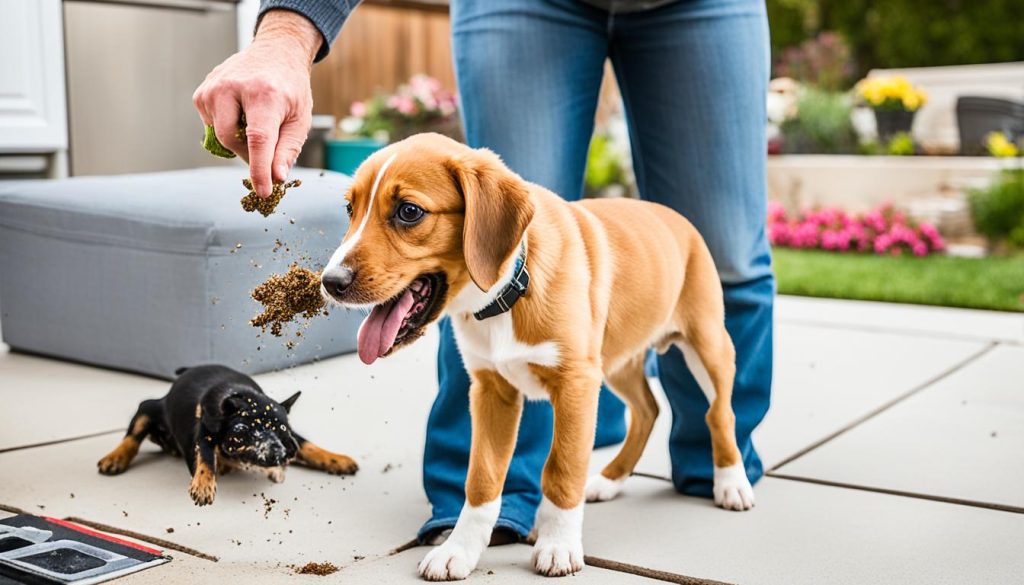
Bringing a new puppy home is joyful but comes with challenges. Knowing how to handle these issues is key to a happy life with your pet. Here are some tips to help you deal with common puppy behavior problems.
Addressing Chewing and Biting
Puppies use their mouths to explore the world, which can lead to chewing and biting. Give your puppy lots of chew toys to keep them busy. When they chew on something they shouldn’t, redirect their attention to a toy instead.
This helps solve chewing problems and keeps their teeth healthy. Teaching your puppy the command “leave it” is also helpful. Say “leave it” when they bite or chew on something they shouldn’t, and give them a toy to chew on instead. Be consistent to help them learn this.
If chewing problems don’t go away, check out resources like The Blue Cross for more advice.
Managing Separation Anxiety
Separation anxiety is common in new puppies. Dogs feel stressed when left alone because they love being with their people. To help, slowly get your puppy used to being alone for short times before leaving them for longer periods.
Interactive toys and puzzles can keep your puppy busy when you’re away. Having a regular routine also helps them feel secure. If your puppy still has separation anxiety, the American Veterinary Medical Association has more advice on how to cope.
With patience and consistency, you can help your puppy overcome common behavior challenges. Remember, every puppy is different, so you might need to try a few things to find what works best.
Recommendation:
K9 Training Institute

Transform your dog today! Join our comprehensive training program to unlock a world of better behavior, deeper bonds and watch your dog's potential unfold!
Puppy Care for Beginners
Welcome to the world of puppy care! As a new pet owner, it’s key to know the basics of caring for a healthy puppy. We’ll use the American Animal Hospital Association’s advice to cover nutrition, health check-ups, and daily routines.
Proper nutrition is key for your puppy’s growth into a healthy adult dog. Start by picking high-quality puppy food that vets recommend. It should have the right mix of proteins, fats, and carbs for your puppy’s age.
Regular health check-ups are crucial. Take your puppy to the vet within the first week of bringing them home. The vet will check your puppy’s health, give shots, and set a deworming plan. Regular vet visits help you keep up with your puppy’s health and spot problems early.
Creating a daily routine is good for you and your puppy. Having set times for meals, potty breaks, play, and sleep helps your puppy know what to expect. This routine is key in caring for a new puppy.
- Feeding: Set specific times for meals to create a predictable eating schedule.
- Exercise: Include daily walks and playtime to keep your puppy physically active and mentally stimulated.
- Grooming: Regular brushing and occasional baths will keep your puppy clean and healthy.
- Training: Integrate basic commands and positive reinforcement techniques to encourage good behavior.
Raising a healthy puppy is a rewarding journey that sets the stage for a happy life together. Focus on balanced nutrition, regular vet visits, and a daily routine. This will help you give your puppy great care from the start.
Recommendation:
K9 Training Institute

Transform your dog today! Join our comprehensive training program to unlock a world of better behavior, deeper bonds and watch your dog's potential unfold!
Conclusion

Your journey into puppy training is just starting, but you’re off to a great start. You’ve learned the importance of early training and got the right supplies. This sets you up for a well-behaved and happy dog.
Keep using positive reinforcement and letting your dog try new things. Remember, patience and consistency are key. House training and handling behavior issues might seem tough, but keep at it and you’ll see improvement.
This journey is about more than just training. It’s about building a strong bond with your puppy. This bond is built on trust and love. Use what you’ve learned from this guide, stay dedicated, and cherish every moment with your new friend. You’re all set to begin this exciting chapter with your new furry companion.
Recommendation:
K9 Training Institute

Transform your dog today! Join our comprehensive training program to unlock a world of better behavior, deeper bonds and watch your dog's potential unfold!